
Window tint visualizer
Preview every tint percentage before the film goes on. Set the VLT for each glass zone, see how dark it reads from outside, and simulate what the driver sees at night - then check your state's legal limit below.
Classic daily-driver tint - 35% VLT means 35% of visible light passes through the film and glass.
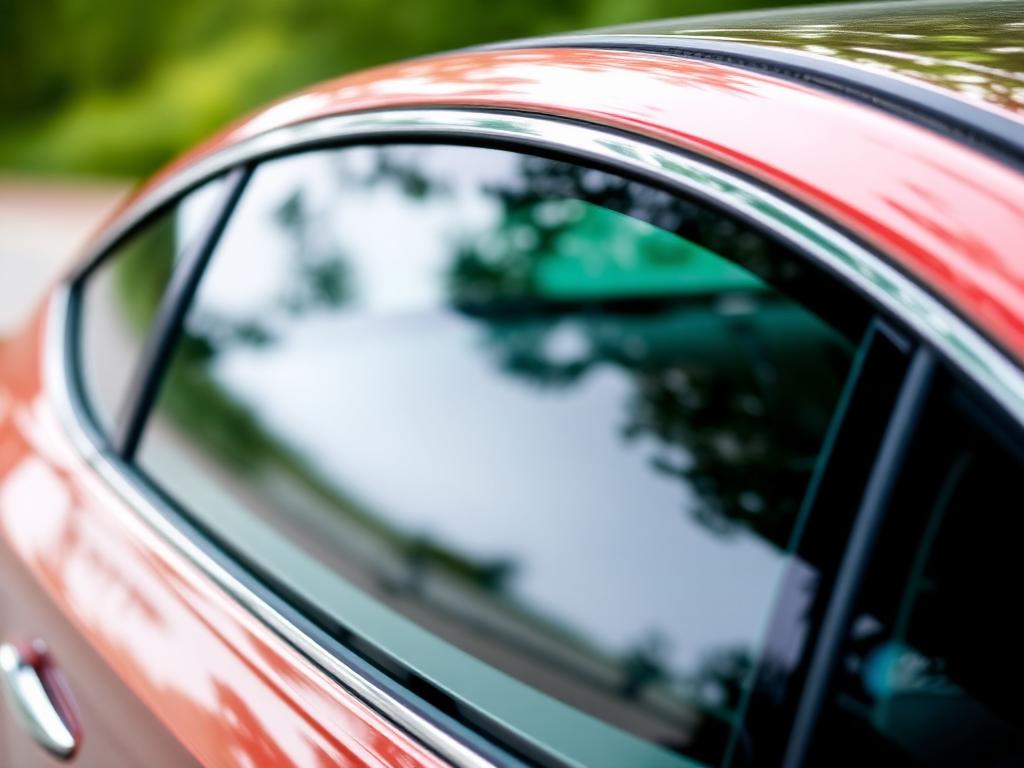
Exterior view - how the tint reads from outside
Want the tint on your own car? The car wrap visualizer applies tint, wrap colors and chrome delete to your photos in one photoreal render.
Open the visualizerWindow tint laws by state (front side windows)
Commonly published limits for passenger cars. Laws change and medical exemptions vary - always verify with your state DMV before installing.
| State | Front side windows (min VLT) | Rear side windows |
|---|---|---|
| California | 70% | Any |
| Texas | 25% | 25% (any behind driver w/ mirrors) |
| Florida | 28% | 15% |
| New York | 70% | 70% (any on rear window w/ mirrors) |
| Illinois | 35% | 35% |
| Pennsylvania | 70% | 70% |
| Ohio | 50% | Any |
| Georgia | 32% | 32% |
| North Carolina | 35% | 35% |
| Arizona | 33% | Any |
| Washington | 24% | 24% |
| Colorado | 27% | 27% |
| Nevada | 35% | Any |
| Virginia | 50% | 35% |
| Michigan | Top 4" only | Any |
| New Jersey | No tint | Any |
Dyed vs carbon vs ceramic tint
Dyed film
Cheapest entry point. Good looks on day one, but fades toward purple over 2-4 years and rejects little heat. Fine for rear glass on a budget.
Carbon film
Matte-black charcoal appearance that never fades purple, with meaningful infrared rejection. The value pick for daily drivers.
Ceramic film
Top-tier IR and UV rejection (often 80%+ IR, 99% UV) at any darkness, zero signal interference. What most pro shops install on customer cars.
Window tint FAQs
What does VLT mean in window tint?
VLT (Visible Light Transmission) is the percentage of visible light that passes through the film plus glass. A 35% VLT tint lets 35% of light through - so lower numbers are darker. Our window tint visualizer previews each VLT level on the glass and simulates the view from the driver's seat.
What tint percentage should I get?
35% is the most popular all-around choice: noticeable privacy while keeping good night visibility. 20% reads dark from outside but is still workable at night. 5% (limo) is rear-glass-only territory in most states. Always check your state's front side window limit first.
Is ceramic tint worth it over dyed film?
At the same VLT, ceramic film rejects far more infrared heat (often 80%+ IR rejection vs ~15% for dyed), won't fade purple, and doesn't interfere with GPS or radio signals. If the car sees sun daily, ceramic is the professional recommendation.
Can I preview tint on a photo of my own car?
Yes - the full car wrap visualizer includes a window tint module. Upload photos of your vehicle, select the glass, and preview tint shades alongside wrap colors, chrome delete and PPF in one render.
Is 5% limo tint legal on front windows?
In almost every US state, no. Most states set front side window limits between 24% and 70% VLT. 5% is generally only permitted on rear side windows and the rear windshield, and several states require dual side mirrors when the rear glass is darkened. Verify current law with your state DMV before installing.